QuickBooks is a great accounting system, but I see contractors trying to make it do jobs it was never designed for.
They want it to handle estimating, project management, scheduling, job costing, change orders, field information, billing, and accounting all in one place. Despite what you might want, it’s not a construction management system.
That’s a lot to ask of one piece of software. I like to think of QuickBooks as the accounting box.
The question is: what information are you putting into that box, and how is it getting there?
QuickBooks handles the accounting side for trade businesses
QuickBooks Online can be a good fit for certain construction and trade businesses.
It’s where your accounting information ultimately needs to come together. Revenue, expenses, payroll, accounts receivable, accounts payable, and your financial statements all need to be recorded accurately.
But there is a lot happening in your business before that information reaches QuickBooks.
Your crews are working jobs. Materials are being ordered. Estimates are being approved. Change orders are happening. Time is being recorded. Projects are moving forward.
You need a good way to manage that information too.
What system is best for your trade business?
Depending on the type of construction business you run, you may need another system to manage operations.
For a builder or speciality contractor doing larger projects, that might mean software designed around project management, estimating, job costing, and change orders.
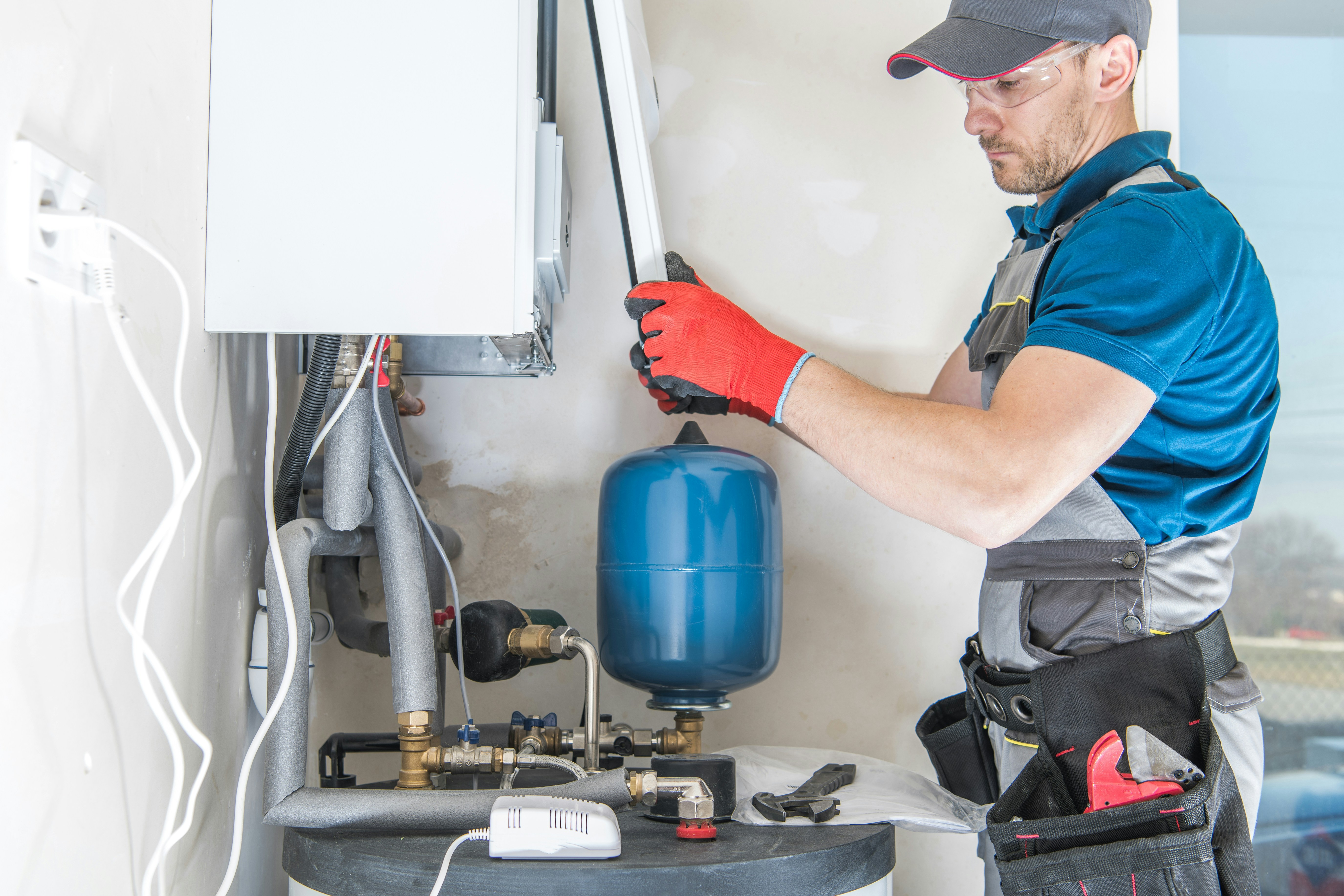
For an HVAC, plumbing, or electrical company doing a lot of service work, scheduling and dispatching might matter more.
No single piece of construction software is right for everyone; the software needs to fit the way your company operates.
Choosing the right software for your trade business
I’ve seen contractors hear that another company loves a particular system and immediately start looking at switching.
But that other contractor might run a completely different business.
Before you invest the time and money into new software, ask yourself:
- What problem are we actually trying to solve?
- Where is information getting lost today?
- What does the office need that it doesn’t have?
- What does the field need?
- How will this system work with QuickBooks?
- Who is responsible for making sure the information is entered correctly?
Software only works when the processes around it work.
Get QuickBooks right first
There’s another mistake I see. A contractor buys a new construction management system hoping it will fix problems in QuickBooks.
If the chart of accounts is a mess, jobs aren’t set up correctly, reconciliations aren’t getting done, or the financial statements aren’t accurate, adding another system doesn’t fix the underlying problem.
Now you might have bad information moving between two systems instead of one.
Before connecting new construction software to QuickBooks, make sure the accounting foundation is working properly.
Then you can build around it.
Your bookkeeping systems need to work together
The goal isn’t to have the most software; it’s to have a system where information moves from the field, through the office, and into the accounting records accurately and consistently.
When that happens, QuickBooks can do what it’s supposed to do.
And your construction management software can do what it’s supposed to do.
At Craftsmen CPAs, we work specifically with construction and trade businesses.
We help speciality contractors keep more money in their business, clean up their accounting systems, improve how financial information moves through the business, and make sure QuickBooks is giving them information they can actually use.
If you’re thinking about adding new construction software, or you’re not confident the systems you already have are working together properly, get in touch.